Environmental enrichment and animal welfare at Palmitos Park
22 de October de 2026
Animal welfare goes beyond food and daily care. At Palmitos Park, environmental enrichment is part of responsible care that seeks to stimulate animals, promote their natural behavior and offer them a more active and varied environment.
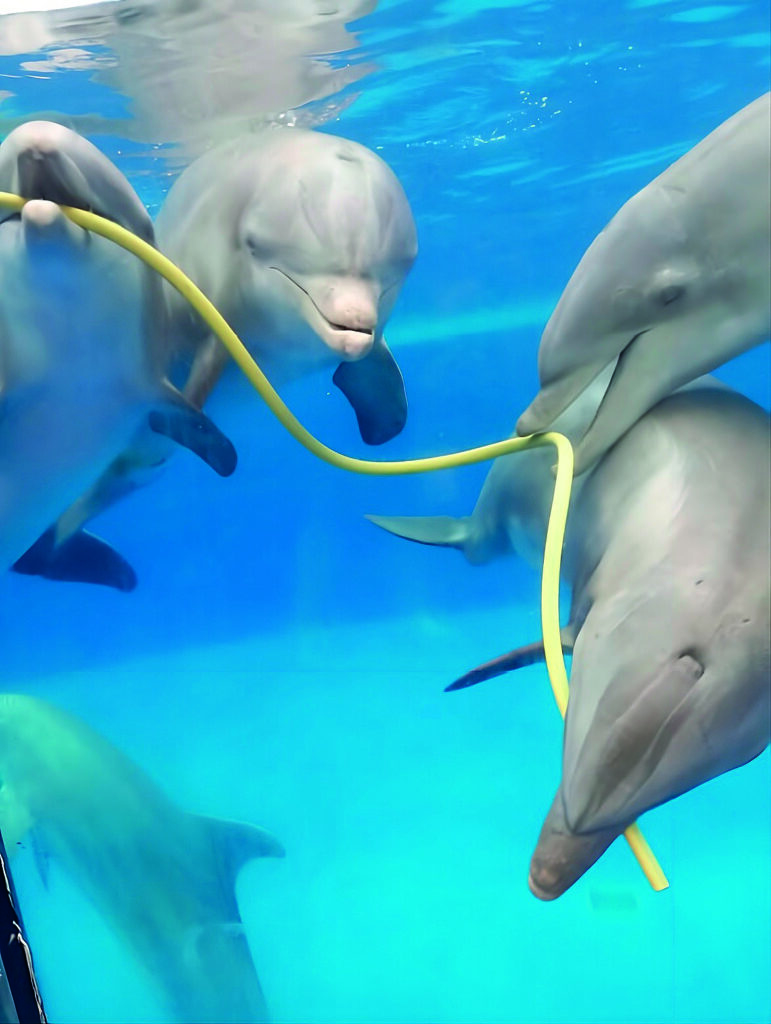
When we talk about animal welfare, we are not just referring to covering basic needs. It also matters how they move, explore, rest, interact and solve small challenges in their day-to-day lives. For this reason, environmental enrichment is a key tool in zoos and botanical parks with an educational focus.
If you visit Palmitos Park, you will discover a space where nature and observation are combined with respect for animals. Understanding this work helps you to look at the visit with different eyes and to better appreciate everything behind each habitat.
What is environmental enrichment
Environmental enrichment involves introducing stimuli into the animals’ environment so that they can stay physically and mentally active. These stimuli can be related to the space, objects, smells, food, sounds, or interactions that are part of their routine.
Its objective is not to entertain for the sake of entertaining, but to promote natural behaviors and reduce boredom. In other words, it is about creating opportunities for each species to explore, search, manipulate, rest or socialize in a way that is closer to their needs.
Why it’s important for animal behavior
Animal behavior changes according to the environment. A space that is too repetitive can limit curiosity and make an animal have fewer options to express behaviors typical of its species. On the other hand, an enriched environment provides variety and helps to make day-to-day life more dynamic.
This is important for both physical and mental well-being. An animal that can move, investigate, and choose between different stimuli usually has a more complete and stimulating experience within its care environment.
How animals are stimulated in a zoo and botanical park
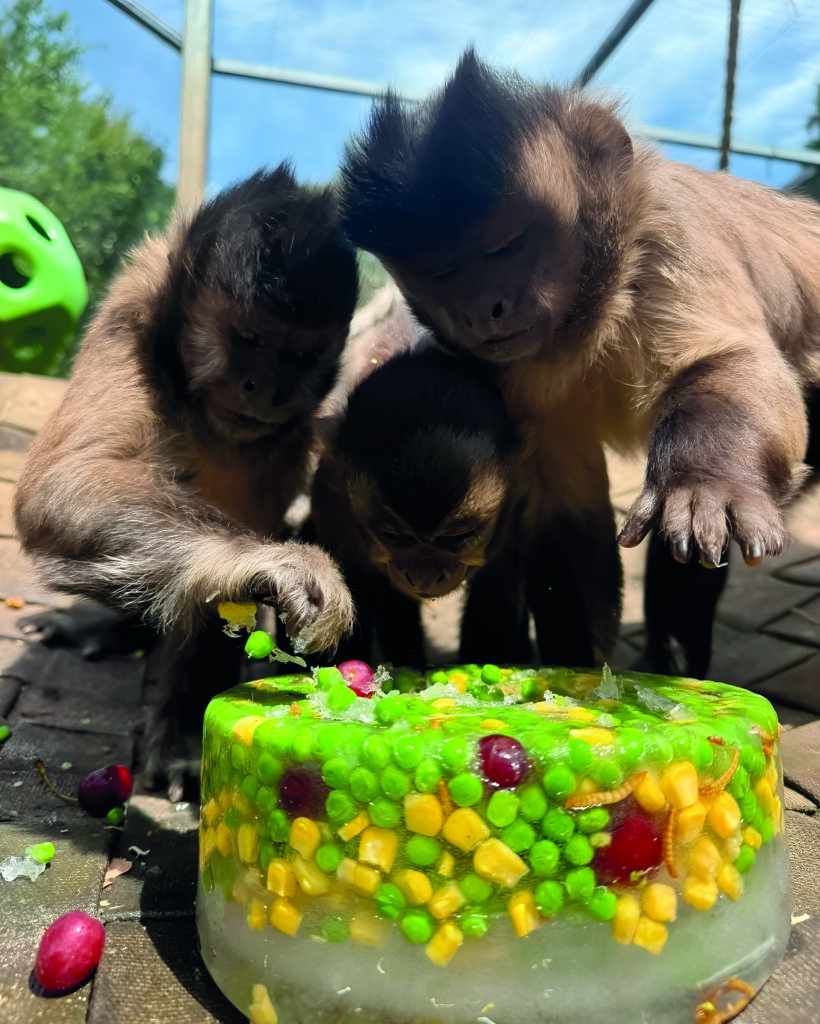
Environmental enrichment can take many forms, and not all of them are visible to the visitor at first glance. Often, behind a well-designed habitat there are small decisions that seek to enhance the animal’s experience without disturbing its tranquility.
- Food stimulation: presenting food in ways that invite you to seek it out, explore it, or solve small challenges.
- Sensory stimulation: incorporating smells, textures or elements of the environment that arouse curiosity.
- Physical stimulation: favoring movement, climbing, swimming, flying or movement depending on the species.
- Cognitive stimulation: offer simple challenges that encourage observing, thinking and acting.
- Social stimulation: respect the needs of coexistence, rest and relationships between individuals when appropriate.
In a park like Palmitos Park, where fauna and flora coexist in a natural environment, this approach fits in a very organic way. The landscape, the vegetation and the way of organizing the spaces can also contribute to animals having a richer and more varied life.
The best environmental enrichment is the one that respects the species, the rhythm of the animal and its well-being at all times.
Animal welfare: care that goes beyond the visible
Talking about animal welfare involves thinking about many factors at once: feeding, rest, hygiene, observation, responsible management and adaptation to the environment. It all adds up. And the more balanced that set is, the better the animal can respond to its daily routine.
In this context, environmental enrichment is not an optional add-on, but an important part of animal care. It helps to avoid monotony and to keep the senses, body and mind active.
In addition, this type of work has a very important educational value. For families, schools and curious visitors, observing a well-thought-out environment can be an opportunity to better understand the real needs of animals and the responsibility involved in their care.
Signs of a responsible approach
Without going into technical details, there are some ideas that usually reflect a philosophy of responsible care:
- spaces that allow observation without invading;
- habitats adapted to the needs of each species;
- routines designed to promote calm and balanced activity;
- elements that invite exploration without generating unnecessary stress;
- constant attention to animal behavior.
What the visitor can learn during their tour
A visit to Palmitos Park not only allows you to enjoy the natural environment. It can also help you understand how you work to care for animals in a respectful and educational way. That look makes the walk a more conscious and more interesting experience for all ages.
Observing how animals relate to their space, how they move or how they explore their environment can raise very valuable questions. What does each species need? What kind of stimuli are useful to them? Why is it important to respect their times?
These types of questions make the visit have a real educational component. And that fits especially well in a park designed for families, tourists and residents looking for a plan in contact with nature.
A useful experience for families and schools
For families, environmental enrichment can be a simple way to start conversations about animal respect, biodiversity, and conservation. For school groups, it’s a gateway to environmental education content that is better understood when viewed in a real-world setting.
In both cases, the value is in looking carefully. You don’t have to look for great explanations to learn something important: sometimes it is enough to observe how a well-cared for environment favors more natural behaviors and a more balanced relationship with the space.
Palmitos Park as a space for nature, observation and learning
Palmitos Park combines a zoo and botanical garden in the south of Gran Canaria, which makes it an especially interesting place for those who enjoy nature in an educational context. The presence of birds, butterflies, plants, palm trees, cacti and other botanical elements helps to create a varied and attractive tour.
That balance between fauna and flora provides context. It’s not just about seeing animals, but about understanding the environment around them and the importance of maintaining spaces suitable for their well-being. That’s an essential part of the park experience.
If you are organizing a visit, it can be useful to do so with a calm and observant attitude. This way you can better enjoy the tour and appreciate details that, in a quick visit, could go unnoticed.
A way to get to know nature with more meaning
Environmental enrichment reminds us that animal care is not limited to the basics. It also includes creating conditions that favor the activity, curiosity and emotional balance of each species. This idea is very present in spaces that are committed to education and responsible observation.
If you are interested in nature, animal behaviour and family plans in Gran Canaria, Palmitos Park can be a very interesting visit. And if you also want to better understand how animal welfare is worked, touring the park with that perspective will make the experience even more valuable.
We invite you to discover the park calmly, to observe with curiosity and to let the visit bring you a little closer to the natural world. Before coming, always check the official information to organize your tour in the most comfortable way possible.