October 9th, World Migratory Bird Day: incredible journeys that pass through the Canary Islands
8 de October de 2026
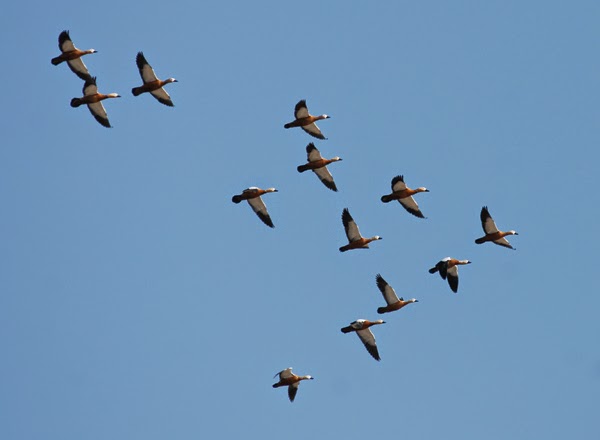
Every year, millions of birds travel thousands of kilometres in search of food, suitable breeding grounds or warmer places to spend the winter. These incredible journeys are one of the most fascinating phenomena in nature and remind us that the ecosystems of our planet are much more connected than they may seem.
World Migratory Bird Day is an opportunity to learn more about these remarkable travellers and to remember the importance of protecting the places they depend on along their migration routes.
The Canary Islands: a meeting point for migratory birds
Thanks to their geographical location in the Atlantic Ocean, the Canary Islands form part of the journeys of numerous bird species. Throughout the year, different migratory birds reach the archipelago from other regions, using the islands as stopover sites, places to rest and feed, or wintering grounds.
Wetlands, ponds, salt marshes, coastal areas and other natural environments in the Canary Islands can become important refuges for these birds during their long journeys. On Gran Canaria, for example, the Maspalomas Lagoon is an especially interesting site for birdwatching and serves as a stopover for different migratory species.
Extraordinary journeys across the ocean
For many birds, reaching the Canary Islands means completing part of an incredibly long journey. Some species cross vast stretches of ocean and need to find safe places where they can rest and regain their energy before continuing their route.
Among the birds that can be seen in the Canary Islands during their movements are species such as the grey heron, as well as different waders and waterbirds.
These journeys are guided by an extraordinary ability to navigate. Birds can use landscape features, the position of the sun and stars, and even the Earth’s magnetic field to find their way.
A journey full of threats
Migration is not without its challenges. During their journeys, birds need to find food, resting places and suitable areas for shelter. Habitat loss, pollution, climate change and other alterations to the natural environment can put these journeys at risk.
That is why protecting the natural areas that form part of their migration routes is so important. In an island territory such as the Canary Islands, even small wetlands, ponds and coastal areas can be valuable places for migratory birds.
Protecting migration routes means protecting biodiversity
World Migratory Bird Day invites us to look up at the sky and think about everything behind each flight. Every bird that reaches the Canary Islands is part of a story connecting different territories and ecosystems.
Animal parks and conservation centres can also help bring these stories closer to the public and encourage respect for wildlife. Learning about migratory birds also means understanding the importance of protecting the places they need to complete their journeys.
Because protecting a pond, a coastline or a wetland in the Canary Islands can mean much more than we imagine: it can help preserve a small but important refuge within a great natural route connecting continents.